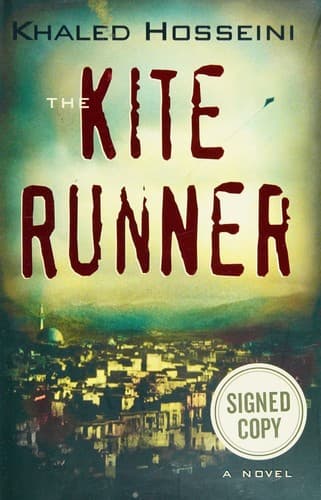
The Kite Runner
Ada’s Score
Hosseini opens in the dust of 1970s Kabul, and the weight of that world never fully lifts. The Kite Runner is a novel built around a single act of cowardice and the decades-long shadow it casts — guilt rendered so precisely it becomes almost physical. The prose is unadorned but quietly powerful, carrying enormous emotional freight without theatrical excess. Where the book succeeds most is in its portraiture: Amir and Hassan feel genuinely inhabited. Where it strains, the plot occasionally bends toward symmetry too convenient for the grief it contains. Still, for fiction about fathers, friendship, and the cost of silence, this lands with rare force.
Ada Brief
AI reading intelligence"There is a moment in this book you will not forget. Hosseini earns every tear — and he asks you to sit with the hard questions after."
Video Brief
Coming soon
The Story of Guilt That Became a Global Phenomenon
There's a particular kind of guilt that Hosseini renders so precisely in this novel that I found myself holding my breath through whole chapters, almost afraid to witness what Amir would do next — or fail to do. The prose is deceptively simple, carrying enormous moral weight beneath its surface, and the story moves between a lost Afghanistan and a fractured present with aching, unhurried grief. I finished it feeling wrung out in the best possible way, the kind of literary exhaustion that only comes when a book has asked something real of you.
Book Details
- Publisher
- Riverhead publisher
- Published
- January 1, 2003
- Pages
- 371
- Language
- English
Get This Book
Affiliate linksISBN: 9781101217238
Disclosure: ReadAda earns a commission on purchases made through these links, at no extra cost to you.
Readers Also Enjoyed
More from Literary Fiction