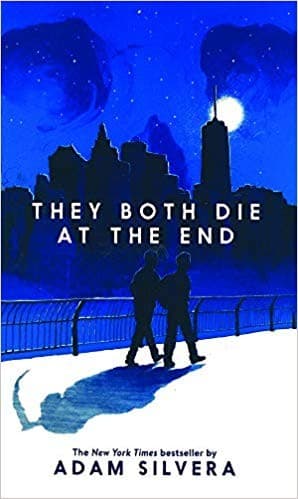
They Both Die at the End
by Adam Silvera
Ada’s Score
Silvera's premise is almost unbearably efficient: two strangers learn they will die before midnight, and the novel follows the single day they spend together. That structural constraint is the book's greatest strength — every scene carries weight because the clock is always running. The prose is plain and earnest, occasionally thin, but its simplicity serves the emotional urgency. Mateo and Rufus are drawn with enough specificity to feel real rather than symbolic. The novel argues, quietly but insistently, that connection matters even without a future, which lands with genuine force. Best suited to those who want their heartbreak earned rather than decorative.
Ada Brief
AI reading intelligence"Silvera makes knowing the ending into the whole point. Every small moment between Mateo and Rufus glows because you know it's numbered."
Video Brief
Coming soon
Knowing the Ending Changes How You Love the Journey
There's something almost unbearable about knowing the ending before the first page even turns — and yet Adam Silvera uses that foreknowledge not to crush you, but to make every small moment between Mateo and Rufus feel achingly precious. I found myself slowing down as I read, unwilling to spend the hours too quickly, which is exactly the emotional trap Silvera sets with such quiet precision. It's a book that leaves you tender in a way that's hard to shake — less about grief, I think, than about the fierce, fleeting courage it takes to actually show up for your own life.
Book Details
- Publisher
- Simon & Schuster Childrens Books
- Published
- January 1, 2017
- Pages
- 373
- Language
- English
Get This Book
Affiliate linksISBN: 9780062457806
Disclosure: ReadAda earns a commission on purchases made through these links, at no extra cost to you.